










































































































































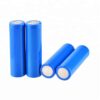






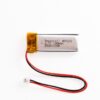


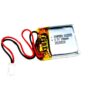
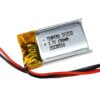
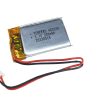
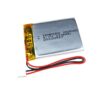


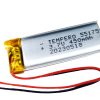
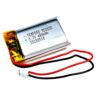

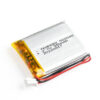

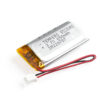
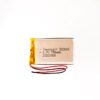


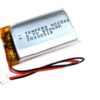


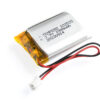

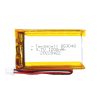

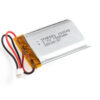

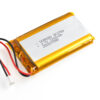
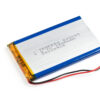

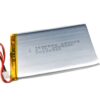

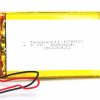
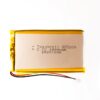


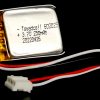


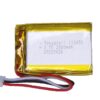
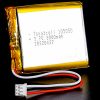
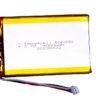
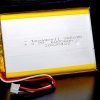

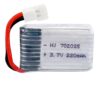
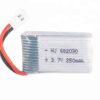
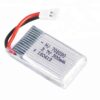
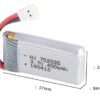

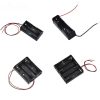
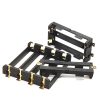


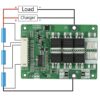


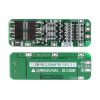
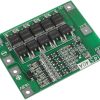
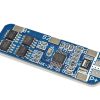
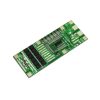
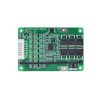




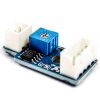
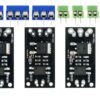
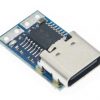
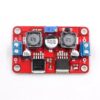




























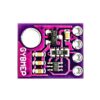

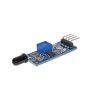


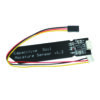















































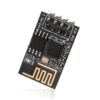

Deep sleep mode in a BMS is an ultra-low-power operating state designed to minimise battery drain when the pack is inactive for extended periods. It is particularly important for Li-ion and Li-polymer batteries used in portable, IoT, and standby-powered products.
1. Purpose of Deep Sleep Mode
-
Reduce quiescent current to prevent self-discharge
-
Extend shelf life and storage time
-
Protect cells from over-discharge during inactivity
-
Enable compliance with long-term storage and transport requirements
Typical deep sleep current:
-
1–10 µA (basic protection ICs)
-
<1 µA for advanced low-power designs
2. Conditions That Trigger Deep Sleep
A BMS may enter deep sleep when one or more of the following occur:
-
The shelf life and storage time
-
Pack voltage drops to a low-voltage sleep threshold
-
The charger is disconnected for a prolonged period
-
The host system sends a sleep or shutdown command (smart BMS)
3. Behaviour in Deep Sleep Mode
When active, the BMS will:
-
Disable discharge MOSFETs (load disconnected)
-
Minimise internal monitoring activity
-
Maintain only critical protection functions (OVP/UVP safety)
What stops working temporarily:
-
Fuel gauge updates
-
Communication (I²C / SMBus / UART)
-
Active balancing
-
Status LEDs or indicators
4. Wake-Up Conditions
The BMS typically exits deep sleep when:
-
A charger is connected
-
A voltage is detected on the charge terminals
-
A load is briefly applied (design-dependent)
-
A wake pin or communication command is asserted
Wake-up time is usually measured in milliseconds to seconds, depending on the design.
5. Deep Sleep vs Normal Sleep vs Protection Shutdown
| Mode | Current Draw | MOSFET State | Use Case |
|---|---|---|---|
| Normal operation | mA | On | Active system |
| Sleep/standby | 10–100 µA | On or partial | Short inactivity |
| Deep sleep | 1–10 µA | Off | Long-term storage |
| Protection shutdown | ~0 µA | Off | Fault condition |
6. Benefits for Li-Po Battery Packs
-
Prevents batteries from reaching over-discharge damage
-
Extends storage life from months to years
-
Reduces swelling risk caused by deep depletion
-
Improves end-user experience after long storage
7. Design and Usage Considerations
-
Ensure the wake-up method is compatible with your system
-
Some low-cost BMS boards require a charger connection only to wake
-
Deep sleep does not replace correct storage voltage practices
-
Always verify quiescent current in real hardware, not just datasheets
8. Typical Applications
-
IoT sensors and trackers
-
Backup battery packs
-
Consumer electronics in storage
-
Shipping mode for retail products
-
Embedded systems with long idle periods
9. lithium-ion battery safety contact
- ACT Emergency Services Agency
- Department of Fire and Emergency Services WA
- Fire and Rescue NSW
- Fire Rescue Victoria
- Northern Territory Fire and Rescue Services
- Queensland Fire and Emergency Services
- South Australian Metropolitan Fire Service
- Tasmania Fire Service
10. Lithium-ion Battery Safety Reports